

How Social Media Is Empowering Everyday Drinkers and Reshaping the Industry
In the world of politics, social media has fundamentally disrupted traditional power structures. Platforms like Twitter (now X), Facebook, and TikTok have allowed ordinary citizens to bypass gatekeepers—journalists, pundits, and party elites—to share information, mobilize movements, and influence outcomes directly. What was once controlled by specialists and institutions is now increasingly in the hands of the people. A similar revolution is underway in the wine industry, where modern communication tools are shifting power from established critics, sommeliers, and large producers to everyday enthusiasts, influencers, and crowdsourced communities.
For centuries, wine has been an elite domain. Gatekeepers like Robert Parker or publications such as Wine Spectator held sway with their 100-point scores, dictating what was “good” and driving prices skyward. A high rating from a critic could make or break a vintage. But just as social media has amplified citizen voices in politics, apps, platforms, and influencers are democratizing wine appreciation, tasting, and even sales.
The True Revolution in Wine: How Modern Communication Empowers Personal Taste Over Gatekeepers
In politics, social media has disrupted traditional authority by exposing biases, hidden agendas, and institutional control, giving ordinary people tools to question narratives and think independently. A parallel shift is happening in the wine world—not through blind trust in new influencers or crowds, but through a growing awareness that specialists, critics, and even viral trends may not always tell the full truth. The real power of modern communication lies in fostering skepticism, encouraging verification, and ultimately urging each drinker to trust their own senses.
For decades, wine was dominated by elite gatekeepers: critics like Robert Parker with their influential 100-point scores, sommeliers in fine restaurants, and publications that shaped markets. A high score could skyrocket prices, while dismissal doomed a bottle. But today, instant access to information—reviews, producer claims, marketing pitches—has bred healthy doubt. People see sponsored posts, paid partnerships, and hype cycles, leading many to question: Is this opinion genuine, or driven by money and power?
The Pitfalls of Influencers and Sponsored Promotion
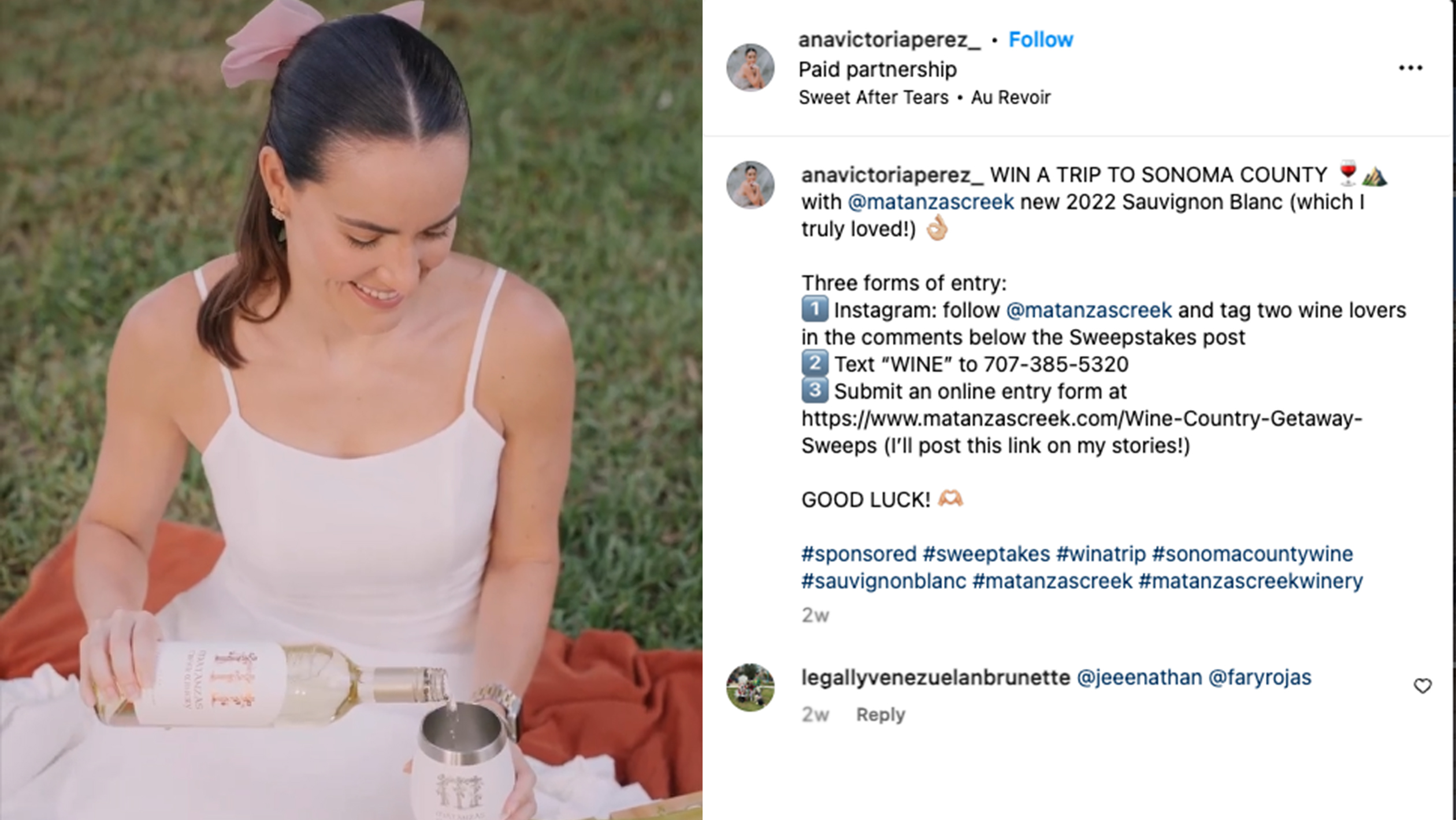
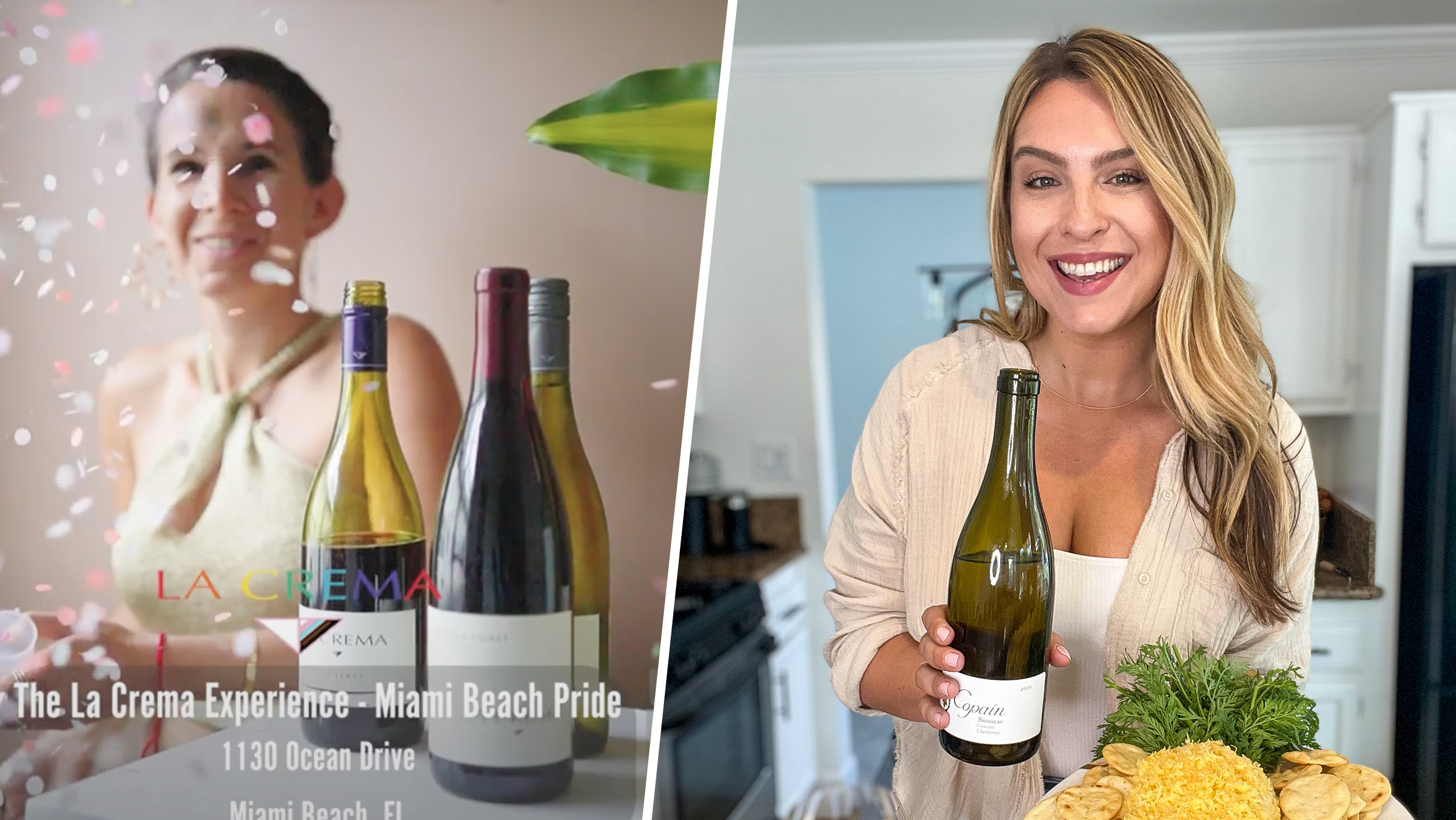
Wine influencers on TikTok, Instagram, and YouTube often present fun, approachable content, but much of it comes with strings attached. Brands pay for endorsements—cash, free bottles, trips, or VIP access—in exchange for promotion. Disclosures like #sponsored or #gifted are required, yet the bias remains: influencers profit from preaching certain wines, especially trendy ones like natural or orange varieties. Critics argue this creates a cycle where hype outpaces quality; viral bottles sell out not because they’re exceptional, but because they’re marketed aggressively. As one industry observer noted, social media turns wine into a “lifestyle totem,” where aesthetics and trends overshadow authentic experience.
This mirrors political echo chambers: influencers gain power and income by pushing narratives, but savvy consumers now spot the commercialization and seek deeper truth.
Crowdsourced Reviews: Collective Noise, Not Wisdom
Apps like Vivino and CellarTracker aggregate millions of ratings, promising democratic insight. Yet reliability varies wildly. Casual users might rate supermarket wines highly simply because they’re easy-drinking, skewing averages. Commercial interests can inflate scores for partnered bottles, and fake reviews or biases creep in. Even enthusiastic amateurs lack context—vintage differences, storage, or personal palate alignment. Trusting aggregated stars from strangers often leads to disappointment, as collective opinion doesn’t guarantee individual enjoyment.
The awareness here is key: exposure to endless reviews teaches discernment, highlighting that no crowd perfectly matches your taste.
The Real Revolution: Awareness, Verification, and Personal Palate
Modern communication’s greatest gift isn’t replacing old experts with new ones—it’s cultivating critical thinking. We now see through marketing, question claims (e.g., “natural” wine’s unregulated hype versus reality), and verify for ourselves. In wine, this means listening to your own reactions: What do you feel when sipping? Does it bring pleasure, complexity, or joy on your terms?
This empowerment returns wine to its essence—a subjective, personal pleasure. No critic, influencer, or algorithm knows your palate better than you. Social media exposes the flaws in authority, freeing drinkers to explore without fear of “wrong” choices.

As we move forward, this skepticism will deepen wine’s appreciation. Small producers may still benefit from direct reach, but consumers win most: liberated to think critically and savor authentically. Raise a glass to your own judgment. Cheers to tasting for yourself!

